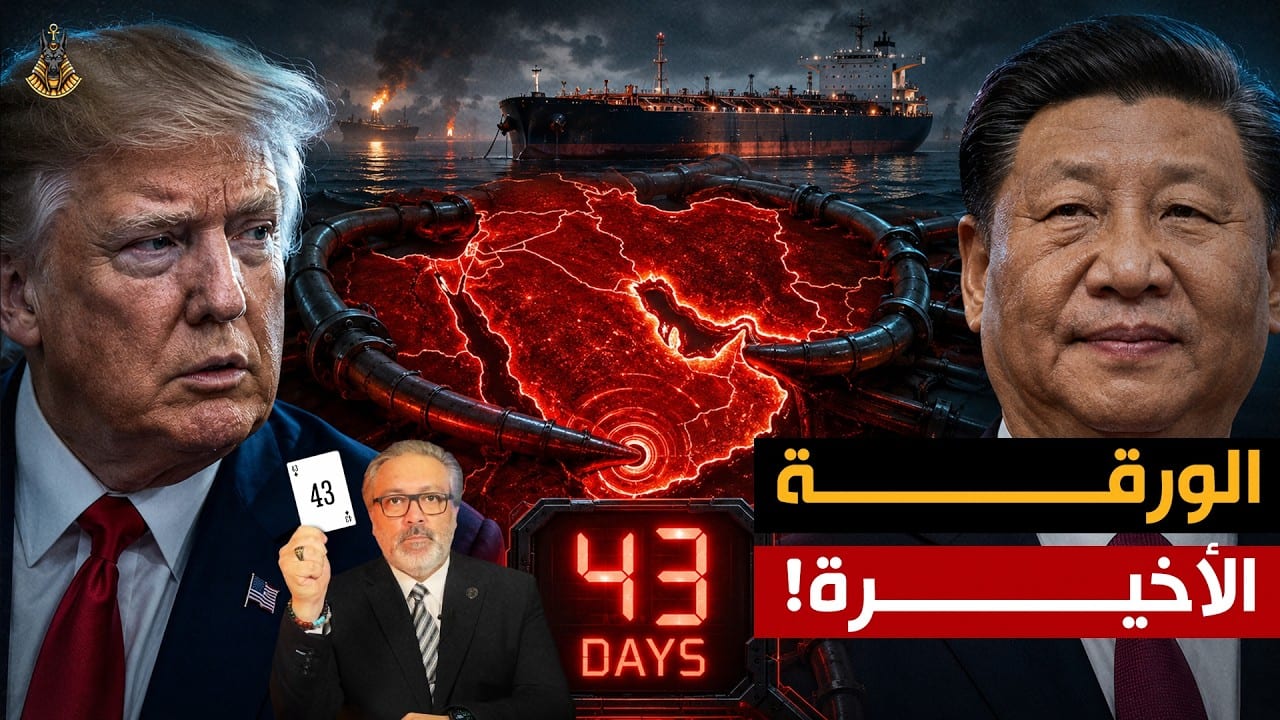
Global oil markets face mounting structural pressures as 13 million barrels of available supply have disappeared, while the U.S. strategic petroleum reserve has fallen to a critical level, covering only 43 days of consumption. This historically low level reflects a convergence of geopolitical tension and energy policy tightening, signaling potential for a severe supply crisis that could exceed the impact of previous shocks.
Scarcity and Geopolitical Realignment
The contraction in available oil supply reflects a fundamental restructuring of global energy balances. As the U.S. strategic petroleum reserve approaches critical thresholds, the ability to absorb market shocks in real time has diminished substantially. This trajectory suggests that the United States has lost considerable leverage as the traditional energy regulator through its strategic reserve holdings.
Concurrently, Chinese policy movements indicate efforts to secure alternative supply sources and deepen relationships with new regional partners. This parallel dynamic—American energy regulatory decline coupled with Chinese ascendancy in energy influence—traces new lines of contention that, while not directly military, carry acute economic consequences.
Crisis Scenarios and Development Paths
Current conditions present three principal scenarios:
- Reserve depletion scenario: Continued decline in the U.S. strategic reserve without substantial replenishment would expose the American economy to sudden supply shocks, particularly amid geopolitical escalation.
- Phase price spike scenario: The crisis need not manifest solely as physical scarcity but may escalate into price warfare, with buyers offering maximum premiums to secure access to available supplies.
- Geopolitical realignment scenario: Erosion of American mediation could reshape energy partnerships toward Russia, the Middle East, and China.
| Indicator | Current Level | Safe Minimum | Danger Threshold |
|---|---|---|---|
| U.S. Strategic Petroleum Reserve (days) | 43 | 90-100 | < 30 |
| Missing Supply (million barrels daily) | 13 | Maximum available | + 20% of capacity |
| Expected Price Pressure | Upward bias | Relative stability | Acute spikes |
Macroeconomic Transmission Channels
Energy crisis consequences extend well beyond the oil and gas sector. Systemic risks propagate through multiple channels:
- Imported inflation: Oil price jumps transmit immediately into transport costs, raw material prices, and essential commodities, reviving inflationary pressures across global economies.
- Central bank policy pressure: Major central banks—the Federal Reserve, the European Central Bank—may be forced to recalibrate monetary policy trajectories in a collision of economic crosscurrents.
- Equity market volatility: Financial markets remain acutely sensitive to energy shocks, particularly in energy-intensive sectors including transportation, manufacturing, and petrochemicals.
- Exchange rates and safe havens: Historically, energy crises drive investors toward safe havens—gold and reserve currencies—deepening foreign exchange market turbulence.
China's Strategic Positioning
China is leveraging the retreat of American energy mediation to reshape its energy partnerships. Available indicators suggest Beijing is pursuing:
- Deepening ties with Russia and major Gulf producers, insulated from Western pressure.
- Development of alternative transport infrastructure—including Asian maritime corridors and overland routes through Central Asia—to reduce dependence on traditional sea lanes.
- Investment in alternative energy sources and advanced storage technologies to strengthen medium-term energy autonomy.
Outlook: A Structural Shift
Current conditions suggest that the emerging energy crisis may not be a replay of traditional oil shocks such as those of 1973 or 2008. Instead, it threatens to merge with distinct geopolitical pressures—Russian-European conflict, Iranian tensions, African instability—into a compound disruption across financial and real-economy channels. The depleted U.S. strategic reserve means Washington has forfeited a critical policy tool for price and supply management, while China consolidates its position as an ascending energy power. Investors, manufacturers, and policymakers face pressure to reassess strategies in an environment where scarcity has become the norm rather than the exception.