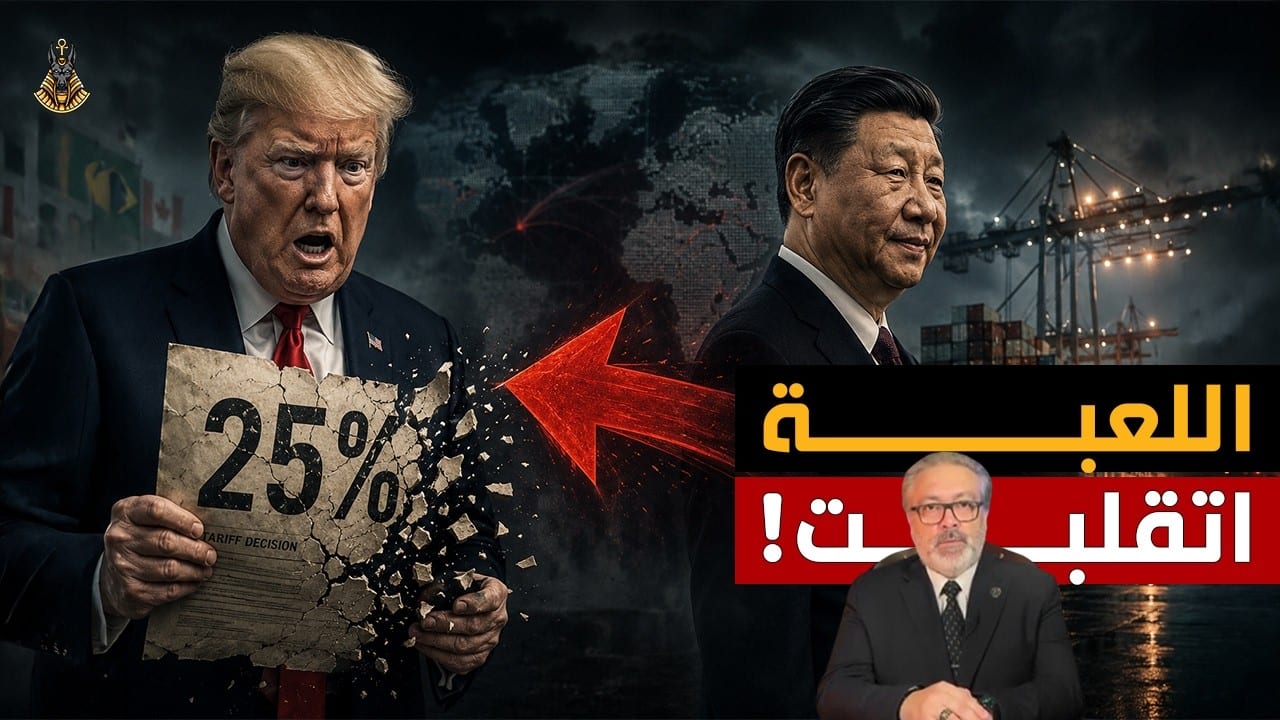
Economic indicators increasingly suggest that new American trade policies are generating substantial rebound effects on the US economy itself, while the dollar faces structural headwinds stemming from accelerated development of alternative payment systems and a rebalancing of gold reserves across major economies—pressures not seen by the currency in decades.
Economic Blowback from Trade Wars
Economic analysis indicates that new tariff regimes imposed to correct trade imbalances have resulted in domestic inflation that has pressured American consumer purchasing power. This trend reflects direct effects on international supply chains and production costs for multinational corporations that rely on imported inputs.
Many economists warn that continued trade escalation could drive contraction in consumer demand and slower growth rates, particularly in sectors heavily dependent on imported raw materials. Central policymakers also note mounting pressure on monetary policy decisions stemming from complex interactions between inflationary pressures and deflationary risks.
Structural Challenges for the US Dollar
The US dollar currently faces unprecedented pressure from multiple concurrent fronts. First, global central banks are accelerating diversification of their foreign exchange reserves away from the dollar toward precious metals and other hard currencies. Second, alternative monetary systems and payment arrangements are developing among emerging economic blocs, particularly the BRICS grouping and allied economies.
These moves reflect a historic rebalancing of the global monetary system, with declining reliance on the US dollar as the sole reserve currency. The Chinese central bank and central banks across emerging market economies have increased gold purchases at an unprecedented pace, signaling an explicit search for more independent alternatives for international settlement mechanisms.
Key Indicators and Data
| Indicator | Current Trend | Implication |
|---|---|---|
| Dollar share of global official reserves | Gradual decline | Declining central bank demand for the dollar |
| Central bank gold holdings | Rapid accumulation | Rebalancing toward non-fiat assets |
| New US tariff regimes | Accelerating escalation | Domestic inflationary pressures and trade blowback |
| BRICS alternative payment systems development | Expansion and advancement | Reduced reliance on dollar-denominated mechanisms |
Key Strategic Points
- Domestic Effects: New trade tariffs affect not only trading partners but directly feed into American domestic inflation and economic growth.
- Fundamental Shift in Reserve Composition: The trend toward reserve diversification represents a historic drift away from single-currency monetary dominance.
- Institutional Alternatives: Development of parallel payment mechanisms within regional economic blocs constrains American access to traditional instruments of monetary control.
- Gold as Strategic Anchor: The accelerating shift toward precious metals reflects a search for stores of value insulated from unilateral policy influence.
Broader Context and Outlook
These developments collectively signal entry of the global economic system into a fundamental transition phase. Trade policies designed to address trade imbalances have instead accelerated a restructuring of the international monetary order. Investors and policymakers are closely monitoring these effects, particularly as major economic policy review periods approach.
Over the medium term, global markets may experience increased volatility around reserve allocation, currency valuation, and real asset pricing, alongside sustained domestic US inflation pressures and competitive constraints on interest rates and exchange rates. The central challenge facing global policymakers remains how to balance domestic monetary stability with a return to balanced international economic authority.